Diagnostic Equipment Unit

The Diagnostic Equipment Unit is for undergraduate optometry students with essential knowledge and practical skills in the use of ophthalmic diagnostic instruments for comprehensive eye examinations. The course provides hands-on training with key equipment used to assess visual function and ocular health, emphasizing proper technique, patient safety, accurate data collection, and interpretation of clinical findings to support effective diagnosis and management in professional optometric practice.

No Certificate / Course on Audit Track

About Course

The Diagnostic Equipment Unit is designed to provide undergraduate optometry students with essential knowledge and practical skills in the use of ophthalmic diagnostic instruments for comprehensive eye examinations. The course introduces commonly used diagnostic equipment for assessing visual function and ocular health, emphasizing correct handling, calibration, and examination techniques.

Students will receive hands-on training focused on patient safety, accurate data collection, and proper interpretation of clinical findings. Emphasis is placed on integrating diagnostic results into clinical decision-making to support effective diagnosis, treatment planning, and professional optometric practice.

This course has been curated by Riphah International University faculty and staff using publicly available third-party content and Open Educational Resources (OER) for self-paced learning. Learners will engage with curated open-access materials to achieve the course learning outcomes. All third-party content is used under open-access or fair-use policies, while any original materials are developed specifically for this learning experience.

Source and Credits 1:

  • Instructor: SankaraAcademyofVision
  • Provider: YouTube (@SankaraAcademyofVision)
  • License: Standard YouTube license

Source and Credits 2:

  • Instructor: MediTred
  • Provider: YouTube (@meditred8467)
  • License: Standard YouTube license

Source and Credits 3:

  • Instructor: Optometry Today
  • Provider: YouTube (@OptometryToday_AOP)
  • License: Standard YouTube license

Source and Credits 4:

  • Instructor: Insight Ophthalmology
  • Provider: YouTube (@InsightOphthalmology)
  • License: Standard YouTube license

What You'll Learn

By the end of this course, you will be able to:

  • Interpret corneal maps and apply findings to clinical decision-making.
  •  Identify visual field defects and understand their clinical significance.
  •  Analyze OCT images to support diagnosis and management of ocular diseases.
  •  Measure axial length accurately and use it for IOL power calculation.

Prerequisites

To be successful in this course, you should have a background in foundational coursework in ocular anatomy and physiology, basic optics, and introductory clinical optometry. Basic knowledge of eye examination procedures and patient care principles is recommended prior to enrollment.

Who Can Take This Course?

This course is designed for undergraduate optometry students and trainee eye care professionals preparing for clinical practice. It benefits learners seeking hands-on skills in using diagnostic equipment and interpreting clinical findings in eye care.

Course Outline

Human Integumentary System

Layers of Skin, cells and accessory structures (Video)

Introduction to Visual Field

How to perform visual field and interpret its report (Video)

OCT results interpretations

CT measurements and Result interpretations (Video)

Scan Biometry Principles

How to perform A scan Biometry (Video)

Skills You Will Gain

Ophthalmic Instrument Handling Clinical Examination Techniques Accurate Data Collection Diagnostic Result Interpretation Patient Safety & Professional Practice

Course Information

Duration

Approximately 3 Hours

Course Information

Difficulty Level

Beginner

Learning Mode

Fully Online (Asynchronous)

Learning Type

Self Paced

Language

Instructor/Curator

Course Instructor
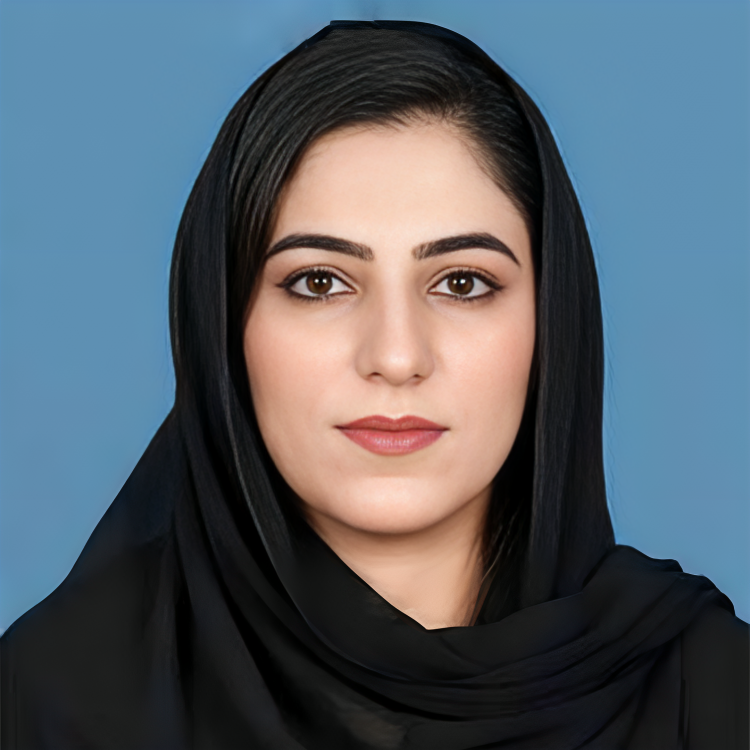
  • Tehmina Jafri profile image
    Tehmina Jafri Senior Lecturer, Faculty of Rehabilitation & Allied Health Sciences, Riphah International University